
REVIEWS: SPANKTOWN PAPERS
“I know a good amount about the Revolutionary era, but this story had me learning so much …I found it even more impactful that I read the book in the year America turns 250.
In Spanktown Papers by Jane Hulse, Sarah constantly finds herself caught between opposing viewpoints and difficult choices. She is an ambitious young newspaper employee during a time when women are rarely welcomed into public affairs. As the American Revolution unfolds and British forces approach Philadelphia, Sarah finds herself in the middle of competing loyalties amid rising political tensions. She works for a fiercely patriotic publication but lives with a kind Quaker family whose beliefs place them under increasing suspicion because of the Spanktown Papers, a set of documents that accuse members of the religious sect of treason. At the same time, Sarah worries about Tom, the man she loves, who is believed to have died in the war. As time passes, Ethan Ripley gradually becomes important to her. When everyone around her seems certain, how can one young woman decide what’s right? And is she willing to open her heart to someone new if Tom is truly gone?
Spanktown Papers by Jane Hulse had me hooked from beginning to end with its mix of historical events, mystery, politics, and drama. I know a good amount about the Revolutionary era, but this story had me learning so much more, like how negatively Quakers were viewed. I found it even more impactful that I read the book in the year America turns 250. One of my favorite surprises was encountering recognizable historical figures along the way. There was a good balance between suspenseful moments and quieter ones, like when Sarah reflects on her relationship with Tom. Her friendships with Emma and Tess were endearing, and I loved the chemistry she had with Ethan. I truly admired Sarah’s intelligence, curiosity, and willingness to challenge the status quo. Overall, I really enjoyed this novel and highly recommend it. Readers looking for books about the Revolutionary War with a strong female lead will enjoy this book.”
— Jennifer Senick, Reader’s Favorite
☆☆☆☆☆
REVIEWS: PRISONER OF WALLABOUT BAY

“Through Sarah’s eyes, the reader learns about the least appreciated tragedy of the American Revolutionary War…
…the British prison ships off the New York waterfront. I found myself deeply immersed in the world that Hulse has created, with dialogue and historical situations that are both accurate and highly engaging. Prisoner of Wallabout Bay shows that it is possible to tell an engrossing story without sacrificing historical reality.”
— Denver Brunsman, Chairman of the History Department at George Washington University and author of The Evil Necessity: British Naval Impressment in the Eighteenth-Century Atlantic World

“Love proves to be a powerful motivator in perilous times…
…as the storyline of Jane Hulse’s historical fiction novel shows. She uses the turning point of the American War of Independence to set the backdrop for an amazing adventure story. Her characters are well-rounded, with interesting backstories and multifaceted depth from a combination of imaginative writing and well-documented research. Hulse’s attention to detail is impressive. This reflects in the conversations between the characters and her descriptions of the era-accurate mindset at the time regarding the diminished expectations of women in a male-dominated society. I could not help feeling sympathy toward the emotional and ideological battle Mrs. Barrett fights because of her daughter’s choices and concern for the pressure Lt. Pritchard must deal with while discharging his duties. All of these come together nicely to create the immersive and riveting story of Prisoner of Wallabout Bay. This is an exceptional novel by all standards.”
— Essien Asian for Readers’ Favorite
☆☆☆☆

“If you’ve never been to New York City in 1776, Jane Hulse’s Prisoner of Wallabout Bay will take you there.
Fueled by a propulsive, spy-versus-spy plot, the book is narrated by young Sarah Barrett, a bold, singularly ambitious would-be journalist navigating her way between the forces of the British Crown and George Washington’s rebels. With its broad cast of lively characters, vivid descriptions of daily life in the roiling city, and impressive, meticulous research, the novel plunges the reader into a series of perilous adventures, at the same time opening our eyes to a little-known war crime that still haunts our history.”
— Ellen Pall, author of more than a dozen novels, including
Must Read Well and Among the Ginzburgs
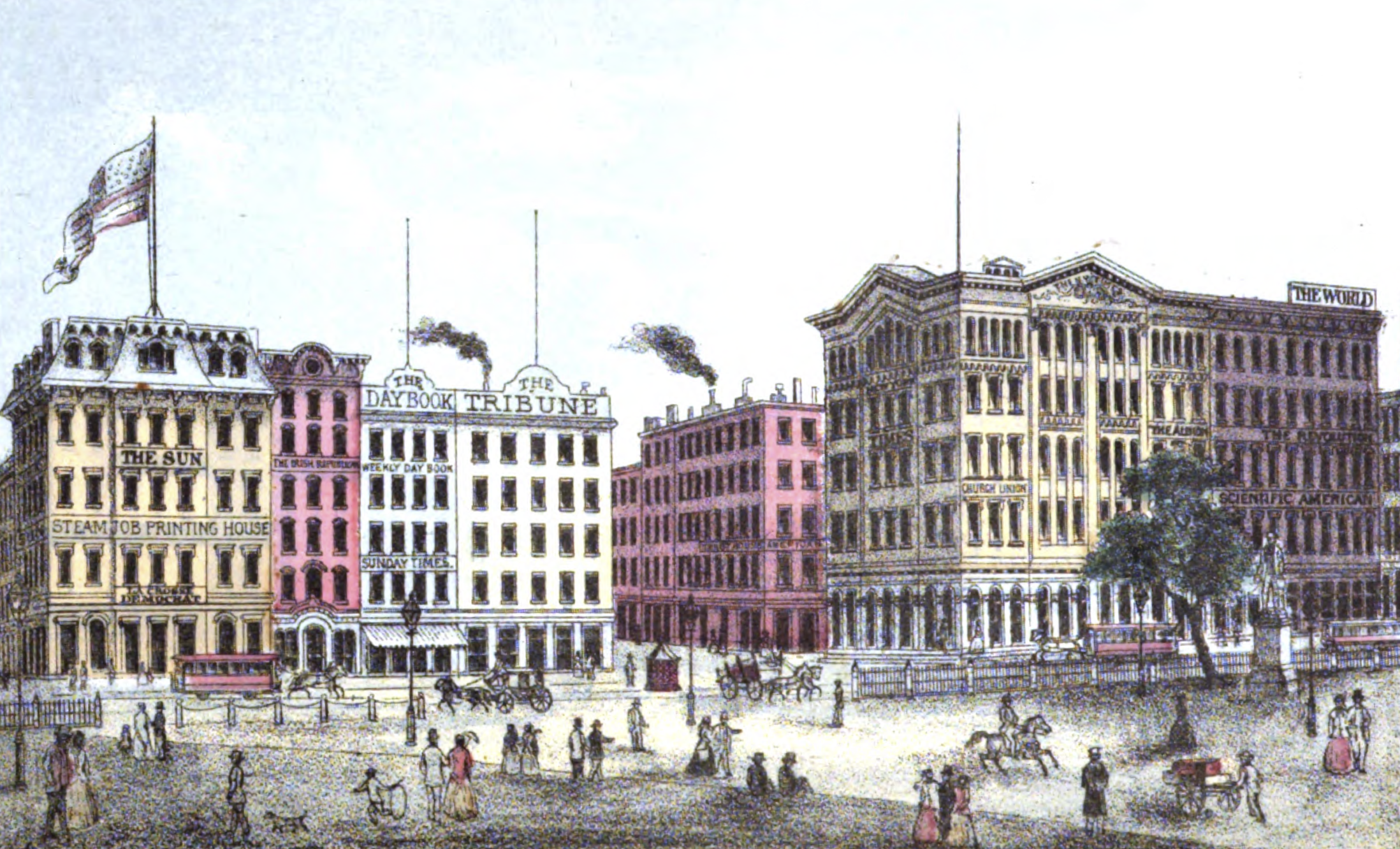
Aside from the characterization, I really loved the setting. It’s been a while since I’ve read a book set in the 1700s, and this one was delightfully authentic. The descriptions of taverns, common sickness, and traditional society really intrigued me. I could imagine myself walking the cobbled streets in long dresses and writing in a diary by candlelight. It absolutely got me into the headspace of being a young woman in this time period and the trials and tribulations that came with that. Furthermore, the politics were an added bonus - I didn’t know too much about the Rebels or the war itself before reading this book, so it was fantastic to learn about the history in such a digestible and vibrant way.
Finally, the plot. This book had it all; romance, tragedy, drama, and high-stakes. It was very readable and fast-paced — I read it all in a day! The only let-down for me was one of the characters (Emma), who I found to be quite insufferable to read about and found myself having to pause to take a deep breath.”
“An atmospheric and historical tale that follows one quick-witted and compassionate young woman on a quest to save prisoners’ lives.
Prisoner of Wallabout Bay by Jane Hulse completely sucked me in. I was enthralled by the characters, setting, and atmosphere. I adored the sense of adventure that Hulse created through the feisty and no-nonsense main character, Sarah. She was the perfect heroine — smart, witty, and compassionate. Sarah had a passion for writing and hoped to change the world around her through journalism. I really loved this aspect of the book and the importance that Hulse obviously put on writing being able to change the course of history and shed light on a vast range of topics. I feel that this is exactly what she has achieved with this book herself. Plus, what young woman doesn’t enjoy reading about a spirited leading lady who has more things to accomplish in life than marriage? I certainly enjoy it!”
— Rhona Bowie for Reedsy
☆☆☆☆☆
“Prisoner of Wallabout Bay oozes energy and atmosphere from the get-go. Young Sarah Barrett, her younger brother Benjamin, and her mother live in a “cramped, leaky” attic in New York City. It’s 1776. We don’t know exactly what happened right away, but their new living quarters are a step down. There used to be grandfather clocks and rugs in every room, somewhere. Sarah’s father is dead. He’s the only person who ever understood Sarah’s desire to become a writer.
A knock at the door reveals a British soldier, a musket in one hand and a lantern in the other. He wants Sarah’s mother to come attend to a “delicate matter.” Sarah’s mother is a midwife and soon we’re on a rowboat on the way to a mastless ship on the East River. The portholes are boarded up. The ship is the Defiance, “a proud member of the Crown’s mighty naval force.” It’s a prison ship and inside are a thousand rebels taken at a battle on Long Island. Sarah’s got compassion but for the rebels and the awful conditions on board, but it was the rebels who murdered another one of Sarah’s brothers and ransacked the family business—a print shop.
Sarah hasn’t made up her mind on whether to support the rebels or the British. She also can’t make up her mind about Samuel Mason, the man whom Sarah’s mother believes was “heaven-sent” to marry Sarah. Samuel doesn’t understand Sarah’s desire to work as a writer for the Loyal Gazette or, in fact, work anywhere. Sarah feels like she’s running out of excuses and feels the pressure to fall in line, and it would be seen as extremely poor judgment to start having feelings for one of those prisoners on the boat in Wallabout Bay.
Prisoner of Wallabout Bay, Jane Hulse’s first novel, is told from the point of a 17-year-old so it skews a touch YA. Hulse said she was inspired to write the novel after reading Robert Watson’s non-fiction The Ghost Ship of Brooklyn. Watson’s book explored the atrocities of the British prison ships, where more men died than were lost to combat during the entirety of the war. (Hulse’s extensive Author’s Note provides ample detail on her work understanding the period.)
As a result, the backdrop and the miserable conditions that Sarah Barrett wants to write about are vivid and compelling. Sarah has more than her share of struggles to manage. Soon, that leaky attic is harboring a rebel, a potential act of treason in British-controlled New York. And Sarah fights the hierarchy at work, too, where she’s compelled to set type for ads about the price of molasses when she’d really rather be writing about the miserable conditions on that ship. And then there are the issues, and choices, around her budding love life. Yes, Prisoner of Wallabout Bay is a coming-of-age tale, too. Hulse works in a small mountain of historical detail (without letting it show) and keeps the pace rocking right along. I don’t read much historical fiction, but this one pulled me right along. The voice is young, but the spirit of rebellion is timeless.”
— Mark Stevens, Don't Need A Diagram
REVIEWS: OUTCASTS OF ESSEX
“Outcasts of Essex by Jane Hulse is a wonderful historical tale of war, romance, and patriotism, set in the eighteenth century during the Revolutionary War.
Sarah Barrett is just fifteen and is often required by her midwife mother to assist in the births of local children. She would much rather be helping her father, the editor of the weekly newspaper, the Essex Journal. As the revolution begins to gather steam, families, friends, and entire towns are torn apart by their adherence to either royal rule or their desire for freedom and self-determination. Sarah’s father is definitely on the side of the royal decrees and writes extensively against the revolution, which puts him and his family on the wrong side of a town almost totally committed to rebellion. A smallpox epidemic and Sarah’s mother’s solution of inoculation will also sway the town’s opinion. Sarah is a well-educated and thoughtful young woman who finds herself questioning everything happening around her. Ultimately, though, she must decide where she personally stands on the question of freedom from England.
Outcasts of Essex is a relatively short and fascinating story into which Jane Hulse has managed to pack significant plot twists, story arcs, and character development. Sarah is a complex and rounded character who, for one so young, is forced to make momentous decisions that will determine the course of her life, her family’s life, and even the revolution. I loved that she was prepared to seek solutions to her problems outside of the usual avenues open to young women of the period. Marriage was first and foremost on the minds of most fifteen-year-old girls of the time, but for Sarah, her interests and questions lay in much meatier issues. I appreciated her questioning why a girl should not write for a newspaper, especially given that her father had used her very words in one of his editorials. It was fascinating that whilst the young men of the colonies were off doing battle against the accursed redcoats, the women, left at home, had to deal with sickness, the wounded, and keep the family thriving. Many women played a critical role in the revolution, both as spies and even as agents of destruction. I appreciated the author’s championing of the heroine. I enjoyed this book immensely and highly recommend it.”
— Grant Leishman, Reader’s Favorite
☆☆☆☆☆